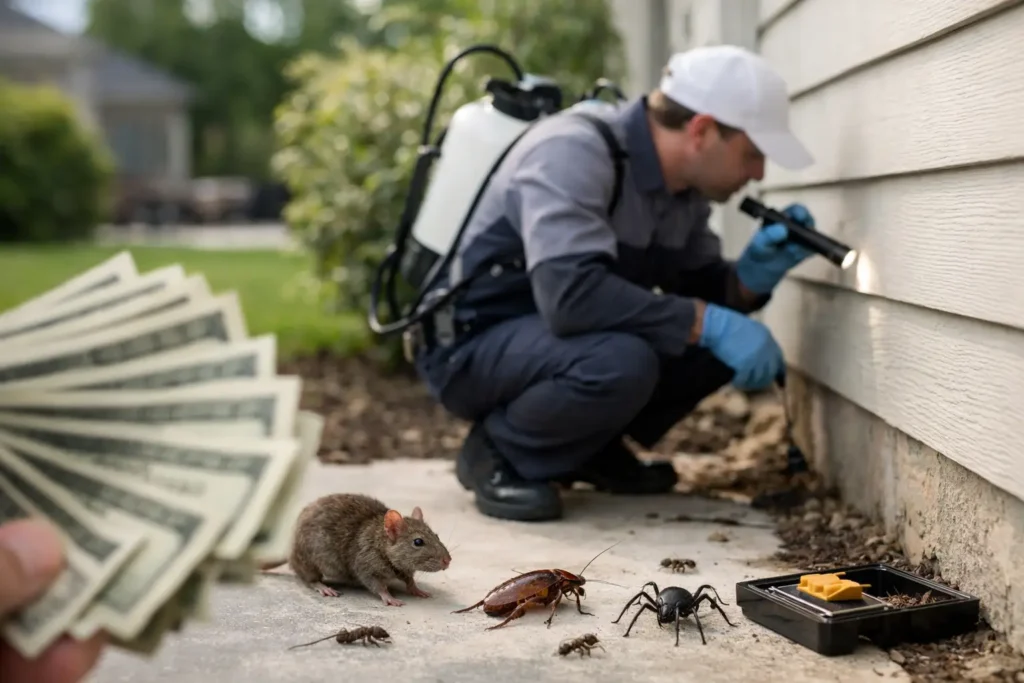
That first sign of pests usually hits fast – ants in the kitchen, scratching in the walls, spiders showing up where they should not be. At that point, most people want the same answer right away: how much does residential pest control cost? The short version is that pricing can range from around $100 for a basic treatment to several hundred dollars or more for larger infestations, specialty pests, or ongoing service.
The real number depends on what is invading your home, how far the problem has spread, and whether you need a one-time fix or a long-term plan. Pest control is not one-size-fits-all, and any company that pretends otherwise is usually leaving something out.
How much does residential pest control cost for most homes?
For many homeowners, general residential pest control falls into a few common pricing ranges. A one-time visit for common pests such as ants, spiders, or roaches may start around $100 to $300, depending on the size of the home and the level of activity. If the issue is more established, or if multiple pest types are involved, the cost can move higher.
Recurring service is often priced differently. Quarterly pest control plans commonly range from about $300 to $700 per year, though some homes may land below or above that range based on property size, treatment frequency, and local pest pressure. Monthly service can cost more overall, but it may be the right call when pests are persistent or conditions around the property make reinfestation likely.
Then there are specialty problems. Bed bugs, rodents, termites, and wildlife are usually priced separately because they require more labor, more follow-up, or specialized materials and exclusion work. A rodent problem might cost a few hundred dollars for trapping and treatment, while bed bug work can run much higher due to the time, detail, and repeat visits involved.
What changes the price?
The biggest cost driver is the type of pest. Treating a few ants around a window is very different from removing rats from an attic or dealing with bed bugs in multiple bedrooms. Some pests respond quickly to standard treatment. Others require inspection, baiting, sealing entry points, sanitation guidance, and repeat service.
The size of the home matters too. A small condo will not be priced the same as a large single-family home with a crawl space, garage, attic, and a wide exterior perimeter. More square footage usually means more material, more treatment zones, and more time on site.
Severity also plays a big role. If the problem is caught early, treatment is typically simpler and less expensive. If pests have had weeks or months to spread, nesting, breeding, and hiding in multiple areas, the work becomes more involved. That means more labor and often more than one visit.
Location and access can affect pricing in ways people do not always expect. A home with a tight crawl space, steep roofline, detached structures, or heavy vegetation around the foundation may take longer to inspect and treat. The same goes for homes where pests are active inside walls, attics, or behind stored items.
One-time treatment vs. recurring service
A lot of homeowners want to know whether they should just pay for one visit and be done with it. Sometimes that works. If you have a limited issue, the pest type is straightforward, and there are no major conditions drawing pests back, a one-time treatment may be enough.
But that is not always the cheapest option in the long run. In Georgia, warm weather and moisture create ideal conditions for ants, roaches, spiders, rodents, and other nuisance pests for much of the year. If your home sits near woods, water, dense landscaping, or neighboring properties with pest activity, one treatment may solve the immediate problem without preventing the next one.
Recurring service usually makes more sense for homes that deal with seasonal pest pressure or repeat activity. It spreads the cost out, keeps a protective barrier in place, and helps catch issues before they turn into full infestations. Many local companies also offer better flat-rate value on ongoing plans than they do on repeated one-time calls.
Typical costs by pest type
If you are pricing out service, it helps to think in categories instead of looking for one universal number.
General pest control for ants, spiders, silverfish, and occasional invaders is usually the most affordable. This is the kind of service many homeowners use as a preventive plan.
Roach control may cost more than basic general pest service, especially if activity is heavy inside kitchens, bathrooms, or wall voids. Roaches are stubborn, and treatment often requires a more targeted approach.
Rodent control usually goes beyond bait or traps. It may include inspection, removal, monitoring, sanitation recommendations, and sealing up access points. If exclusion work is needed, the price can increase because you are not just removing the pests – you are helping stop them from getting back in.
Bed bug treatment is often one of the more expensive residential services because it is labor-intensive and exact. It usually requires detailed inspection, room-by-room treatment, and follow-up visits.
Wildlife removal varies widely. Squirrels, raccoons, or other nuisance animals in attics or crawl spaces may require trapping, removal, cleanup, and repairs. That kind of work is naturally priced higher than standard insect control.
Why cheap pest control can cost more later
It is tempting to shop by the lowest number. Nobody wants to overpay. But when pest control pricing looks unusually cheap, there is often a reason.
Sometimes the initial price covers only a very limited spray with no real inspection. Sometimes the quote does not include follow-up visits, specialty materials, or treatment for the full problem area. Other times, companies advertise a low teaser rate and then stack on extra charges once they arrive.
Good service should be clear about what is included. You should know whether the price covers interior and exterior treatment, how many visits are part of the plan, whether re-treatments are included, and whether certain pests are excluded from general coverage. Straightforward pricing is worth a lot when you are already dealing with a pest problem.
What homeowners in Georgia should keep in mind
In the Lawrenceville area and across metro Atlanta, pest control is rarely a one-season concern. Ants can be relentless. Roaches love heat and moisture. Rodents move in when they find food, water, and shelter. Spiders tend to follow the insect activity around them.
That local reality affects cost because preventive service has real value here. Waiting until pests are fully established usually means a bigger invoice than addressing the issue early. A home that gets routine treatment and monitoring is generally easier and less expensive to protect than a home where pests are allowed to cycle in and out unchecked.
That is one reason many homeowners prefer working with a local company that understands the pest patterns in this area. Destroyer Pest Elimination keeps it simple with practical service, flat-rate pricing, and treatment plans built for real homes, real families, and real pest pressure.
How to tell if a quote is fair
A fair pest control quote should match the scope of the problem. If a company gives you a price without asking what pest you have, how long it has been going on, or how large the home is, that is a red flag.
You should also look at what happens after the first visit. Does the price include follow-up if the pests are still active? Is there a service warranty or retreatment policy? Are the treatments designed with children and pets in mind? A lower quote may not be the better value if you end up paying again a week later.
It also helps to ask whether the company is licensed and insured, and whether the technician is treating the cause of the issue or just the visible symptoms. Fast relief matters, but long-term control is what saves money.
So, what should you expect to pay?
If you want a realistic planning number, many homeowners can expect general residential pest control to start in the low hundreds for a one-time visit, with annual recurring plans often offering the strongest overall value. Once you move into rodents, bed bugs, wildlife, or larger infestations, pricing rises because the work is more specialized and more time-intensive.
The best way to look at cost is not just what you pay today, but what you get for it. A clear quote, safe and effective treatment, reliable follow-up, and prevention that keeps pests from coming back is usually the smarter investment than the cheapest service on the page.
When pests show up, the clock starts. The faster you deal with the problem, the more likely you are to keep the damage, stress, and cost under control.